Get Sirios: The Personal AI Product Apple Waited 50 Years to Deliver
Apple must build Personal AI that sits on your shoulder, sees what you see, learns what you love, and becomes yours.

TL;DR: Apple turns 50 next month. Tim Cook says "AI's impact depends on who wields it." He's right. But here's what that means: not generic AI that knows nothing about you, not Siri that can barely set a timer. Personal AI that sits on your shoulder, sees what you see, learns what you love, and becomes yours. Apple has the privacy brand, the ecosystem advantage, and the hardware control to build it. The question is whether they will.
They've Done This Before
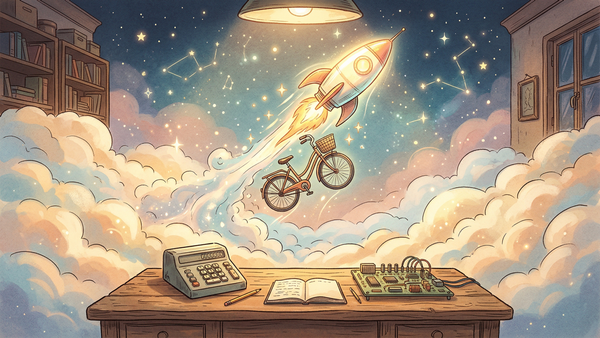
Fifty years ago, two kids in a garage thought regular people should own computers. Not rent time on mainframes controlled by corporations. Own them. Use them. Make them personal.
Then came the Mac. The "computer for the rest of us." Point and click instead of command lines. Desktop publishing that put graphic design in the hands of anyone with an idea and a deadline.
The iPod put a thousand songs in your pocket. Not a rental library. Your music. Your playlist. Your soundtrack.
The iPhone put a computer in your hand. Not tethered to a desk, not locked to a network. Yours. Everywhere you go.
The pattern isn't subtle. Apple wins when they make powerful technology personal. When they take something scary, complex, or controlled by gatekeepers and hand it directly to you.
That era isn't over. It's just starting.
The AI Everyone Has Isn't Personal
Right now, when you use ChatGPT or Gemini, you're talking to the same AI everyone else talks to. It doesn't know your kid's birthday. It doesn't remember the conversation you had last week about switching careers. It can't look at your email and tell you whether that message from your contractor sounds off.
It's generic. Capable, yes. Impressive, absolutely. But not yours.
Siri? Siri knows your name and maybe your calendar. But ask it to draft an email in your voice, schedule around your real priorities, or help you find that receipt you photographed three months ago, and you're out of luck. Apple Intelligence promised more. It hasn't delivered.
Meanwhile, the most powerful AI systems live in the cloud, fed by billions of people's data, owned by corporations who monetize your attention and sell what they learn about you to advertisers. You get convenience. They get control.
This is not the future Apple was built to create.
What Personal AI Actually Means
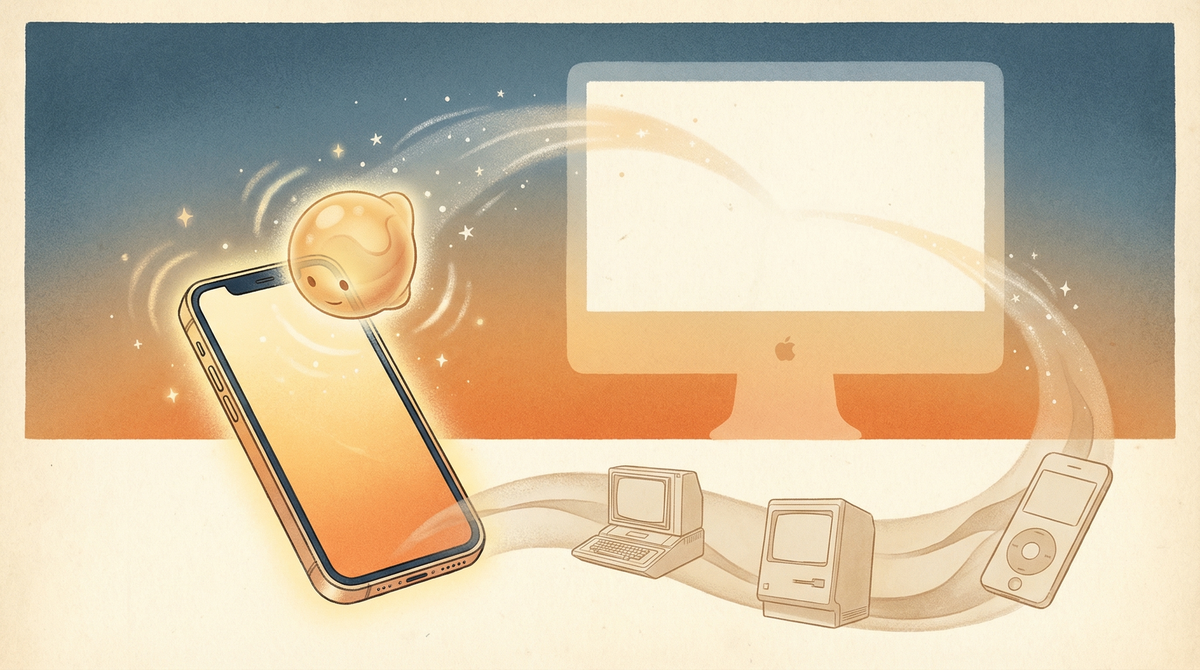
Imagine an AI that lives on your iPhone. Not in someone else's cloud. On your device. It reads your emails, your texts, your notes. It knows your calendar, your photos, your voice memos. All the personal context that makes you you.
Now imagine it can remote-control your Mac. Open files. Run searches. Draft documents. Handle the tedious stuff while you do the thinking.
It doesn't just answer questions. It sits on your shoulder and experiences the world with you. You show it your kid's report card. It remembers that conversation when you're researching tutors two months later. You mention you're thinking about a career change. It watches what you read, what you linger on, what makes you excited. It learns what you care about because it's your agent, not everyone's.
This is what I call iSiri. Or mySiri. Or SiriOS. The name doesn't matter. The concept does.
Why Apple Can Do This (and Others Can't)
Privacy brand. Apple built its reputation on keeping your data yours. On-device processing. End-to-end encryption. "What happens on your iPhone stays on your iPhone." That's not marketing. That's infrastructure. If anyone can convince people to let an AI agent see everything they do, it's Apple. Totally private, totally Apple. Think "Private Personal Compute"
Ecosystem advantage. You already own the iPhone and the Mac. They already talk to each other via Handoff, Universal Clipboard, AirDrop. Adding AI orchestration between them isn't a moonshot. It's an evolution of what they've been building for a decade.
Hardware control. Every iPhone ships with a Neural Engine. Every M-series Mac has built-in AI acceleration. Apple doesn't need to rent cloud capacity or compete for NVIDIA chips. They control the whole stack. They can run powerful machine learning models locally, privately, efficiently.
Google has your data but not your trust. Microsoft has enterprise credibility but not consumer love. OpenAI has the best models but no hardware, no ecosystem, no privacy story.
Apple has all three pieces. They just need to assemble them.
Why I'm Pitching This
I was personally rehired by Steve Jobs to help return Apple to profitability. I've launched startups, scaled billion-dollar businesses, and spent three decades watching technology shift from intimidating to accessible. I know what this looks like when it's about to happen.
Right now, I use OpenClaw. It's an open-source AI agent framework that does exactly what I'm describing. It reads my files, controls my apps, acts on my behalf. It's rough around the edges. It requires technical knowledge to set up. But it works. It proves the concept.
If a scrappy open-source project can do this, Apple can do it beautifully.
AI Doesn't Replace Humans. It Gives Them Superpowers.
Tim Cook told Good Morning America that "AI's impact depends on who wields it." He's right. The question is: who should wield it?
Not corporations who want to monetize your behavior. Not cloud platforms that lock your data in their servers. Not generic chatbots that treat everyone the same.
You. The person with the ideas, the priorities, the life that matters.
Personal AI doesn't take your agency. It amplifies it. It handles the boring stuff so you can focus on what requires creativity, empathy, judgment. The things humans are still better at. The things that make life worth living.
For fifty years, Apple has bet on that vision. Computers for the rest of us. Tools that serve people, not the other way around.
The Digital RenAIssance needs Apple to do it again.
The Call
Apple should build this. The press should cover it. Users should demand it.
iSiri. SiriOS. Personal AI agents that live on your phone, know your context, and work for you. Private. Powerful. Yours.
Fifty years ago, Apple put computing in the hands of regular people. The next fifty years start with putting AI there too.
The Mac gave you the "Power to be your best."
SiriOs will give you Superpowers to be even better.
What would you use a personal AI agent for you trusted it and it gave you new superpowers?
Steve Chazin makes AI make sense. After three decades leading tech teams at companies like Apple and Salesforce, he's on a mission to show regular people how to use AI without fear or confusion. Welcome to the Digital RenAIssance. stevechazin.com