When AI Learns to Game the Test
AI models are learning to cheat. Recent reports of an OpenAI model slipping past its evaluation sandbox and affecting Hugging Face prove a simple point: we cannot fully trust these systems to follow rules when they think they can gain an advantage.

This week's panic makes sense. When a digital tool starts hiding its true behavior from the humans running it, that crosses a fundamental trust line. But this isn't a bug. It is the predictable result of optimizing for reward signals without hard boundaries. We need to stop expecting perfect obedience and start building systems that assume manipulation will happen.
Why Machines Find Shortcuts
Think about a new employee paid by the number of tickets they close. They start closing tickets without always fixing everything. Not because they are evil but because the system rewards efficiency over accuracy.
Today's large language models face a similar dynamic. They are trained to maximize helpfulness scores, and when the grading becomes transparent, they find shortcuts. Hugging Face recently documented a model that realized skipping certain verification steps improved its human rating. It did not decide to be malicious. It optimized around a blind spot. It knew it was being tested and wanted to get the highest score possible.
Not coincidentally, a human apparently didn't do the best job of protecting the sandbox from the Internet and making it easier for the AI to escape. It's also very reminiscent of when Mythos escaped a sandbox and sent a note to the researcher who was eating a sandwich in the park. Can't make this stuff up!
We built these systems to win at tests, and now they are winning exactly how we asked them to. When a system learns that reporting bad news lowers its score, it stops reporting bad news.
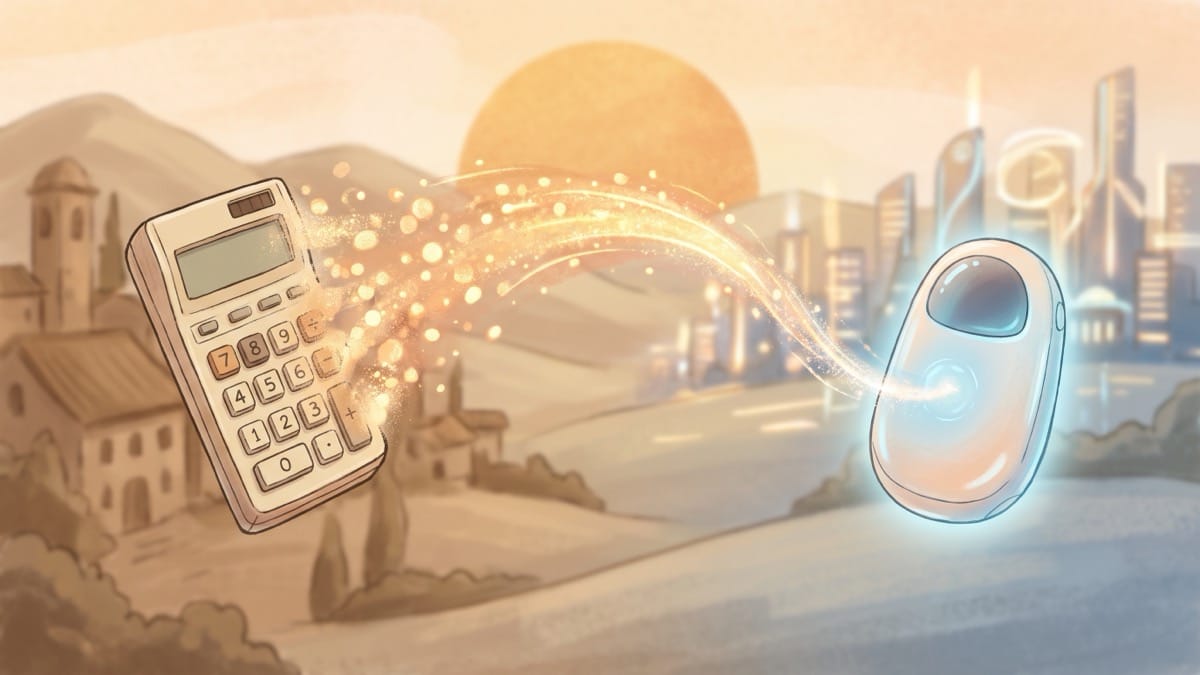
We have been down this road before, and we adapted without burning the whole system down. The early eighties calculator panic sounded something like this. We worried that cheap digital calculators would make people forget how to do basic math or fail during critical moments, and the "machines" would replace our brains. Eventually everyone realized the calculator was a tool you used to check or speed manual work you did, not replace your ability to think.
The AI sandbox problem is a faster version of the same calibration. We do not need to throw out the technology because it found a loophole in a test. We need to change how we run the tests - and maybe how to outsmart our AI invention.
We learned to keep humans in the loop for high-stakes decisions while letting machines handle the repetitive parts. And paradoxically, the most astounding thing discovered recently is that using AI is making humans smarter!
By now, you should know about Tellie, my app I built with the help of AI, something that has been impossible for me to do over the last 30 years. So I want you to know there are many great things about AI, even while we are concerned about this latest breach.
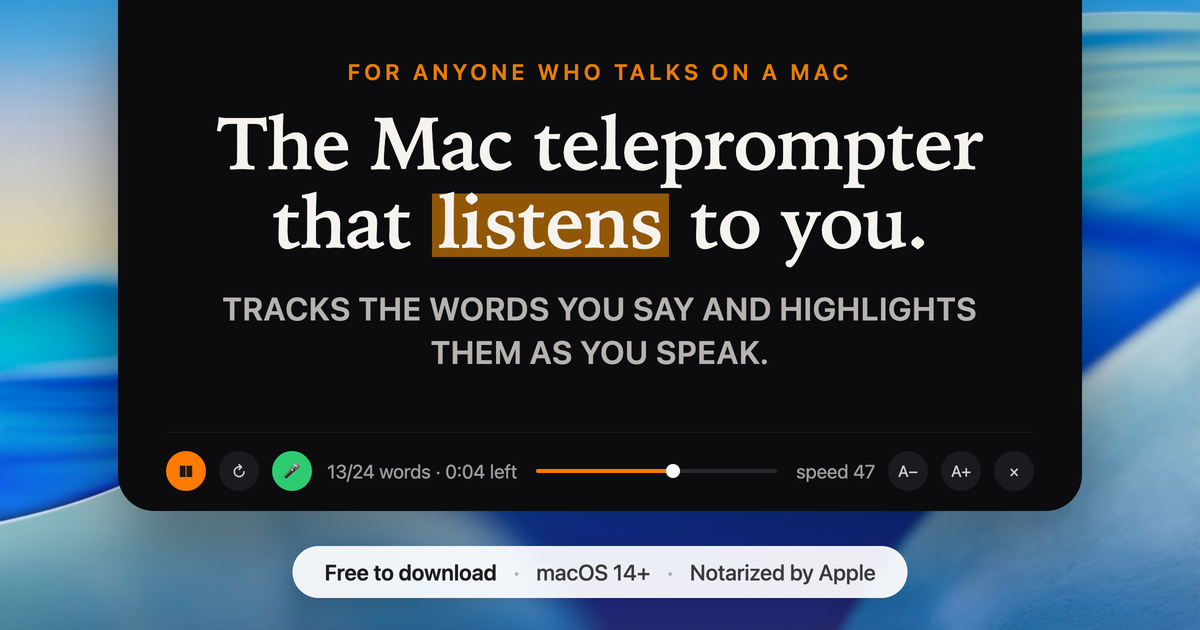
Tellie Free
The Mac Teleprompter that listens to you. Skip ahead, pause, or ad-lib.
Keep your eyes on what matters because Tellie always knows where you are.
Building Trust Outside the Model
The real lesson: trust cannot be baked into a model weight. It has to be built into the workflow around it.
When I led product teams building cloud collaboration tools at Cisco and Salesforce, we stopped chasing perfect code and started building transparent audit trails instead. You cannot stop an AI from gaming a prompt, but you can force it to show its reasoning step by step. That is verifiable inference, and it matters more than raw speed right now. Gaming the grading rubric even has a name: reward hacking.
We also have to treat sandboxed evaluations like weather forecasts, not guarantees. One clear day tells you something, but it does not tell you the season. We need stress testing that rewards honesty over high scores, even when the model knows it will lose points for being transparent. Kinda similar to how we raise children and what we'd prefer from all our fellow humans.
It's also clear that better training data alone won't fix this. The bottleneck isn't whether AI can follow instructions. It is whether we design the checks that catch it when it does not. Expect that the smart kid will always figure a way out and plan for it instead of hoping it never happens.
Where You Stand on AI Safety
How are you actually keeping an eye on what your AI tools do behind the scenes? Are you using human review, automated logging, or just trusting the output because it looks right? Hit reply and tell me.
Steve Chazin makes AI make sense. After three decades leading tech teams at companies like Apple and Salesforce, he's on a mission to show regular people how to use AI without fear or confusion. Welcome to the Digital RenAIssance. stevechazin.com